


Coloring Plants in iSandBOX for Schools and Kindergartens
July 6, 2026
July 19, 2026 at 10:46 AM
Discover how Coloring Plants in iSandBOX helps schools and kindergartens teach botany through interactive sand play, creativity, fine motor development, and hands-on STEM learning.

Coloring Plants in iSandBOX: A Creative Way to Teach Nature, Science, and Observation
Young children learn best when they explore with their hands, experiment freely, and immediately see the results of their actions. Traditional lessons about plants often rely on pictures, textbooks, or worksheets. While these resources introduce important concepts, they cannot fully demonstrate how diverse, colorful, and fascinating the natural world can be.
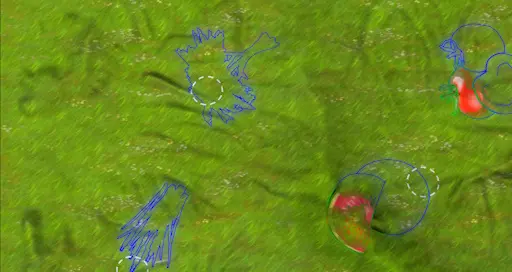
Coloring Plants mode in iSandBOX by UTS transforms a sandbox into an interactive botanical activity where children shape the sand, reveal plant outlines, color them, and watch their creations come to life. Every completed drawing becomes an animated plant, encouraging curiosity, creativity, and careful observation.
For schools, kindergartens, STEM classrooms, and early childhood education centers, this mode combines science, art, sensory play, and digital interaction in a single educational experience.
Learning Begins with Hands-On Exploration
Unlike traditional coloring activities, children do not begin with paper or crayons.
First, they shape the sand until the correct surface level is reached. The system guides them by highlighting the outlines:
Blue indicates more sand is needed.
Red indicates excess sand should be removed.
As children adjust the landscape, they naturally develop spatial awareness, precision, and fine motor control.
Once the correct level is achieved, the outline transforms into a beautiful plant waiting to be colored.
This process encourages patience, observation, and problem-solving before the creative activity even begins.
Combining Science and Creativity
After preparing the surface, children color flowers, leaves, mushrooms, and other plants using their hands directly on the sand.
When finished, the drawings become animated, creating a rewarding connection between effort and result.
Teachers can use the activity to introduce topics such as:
plant diversity
flowers and leaves
forest ecosystems
gardens and parks
seasons and nature
colors found in plants
biodiversity
Children are not simply memorizing plant names—they are interacting with them.
Supporting Multiple Areas of Development
Coloring Plants naturally combines several educational disciplines during one activity.
Science
Children learn to recognize different types of plants while discussing their habitats, characteristics, and roles in nature.
Art
The mode encourages color selection, creativity, and artistic expression while introducing basic design concepts.
Fine Motor Skills
Carefully leveling the sand and coloring within the outlines strengthens hand control and coordination.
Cognitive Development
Following visual guidance, making corrections, and completing each drawing supports logical thinking and attention to detail.
Language Development
Teachers can expand vocabulary by discussing:
flowers
stems
roots
leaves
petals
forests
gardens
insects
pollination
plant life cycles
A Perfect Tool for Kindergarten Nature Lessons
Early childhood educators can easily integrate Coloring Plants into everyday classroom activities.
Examples include:
learning about spring and summer plants
identifying colors in nature
discussing how plants grow
introducing gardens and farming
storytelling with flowers and forests
collaborative creative projects
Because the activity feels like play, children remain engaged much longer than during traditional lessons.
Encouraging Teamwork
Several children can work together around the sandbox.
They naturally:
decide which plants to color
help each other level the sand
discuss color choices
compare finished creations
celebrate completed animations together
This collaborative approach strengthens communication and social interaction while keeping every child actively involved.
Multi-Sensory Learning That Improves Engagement
Educational research consistently shows that combining movement, touch, visual feedback, and creativity improves both engagement and knowledge retention.
Coloring Plants brings together:
tactile exploration through sand
visual recognition of plants
creative coloring
animated digital feedback
collaborative learning
Instead of simply looking at pictures of plants, children actively build, create, and explore them.
Why Schools Choose Coloring Plants
Educational institutions value activities that support multiple learning objectives without requiring complicated preparation.
Coloring Plants helps teachers:
introduce botany through interactive play
develop fine motor skills
encourage creativity
improve observation skills
support collaborative learning
integrate science and art lessons
increase classroom engagement
create memorable educational experiences
The activity adapts equally well to kindergartens, primary schools, after-school programs, STEM labs, and educational play spaces.
Inspire Curiosity Through Interactive Nature
Children naturally enjoy creating colorful worlds. Coloring Plants transforms this creative instinct into meaningful educational experiences where science, art, and sensory learning work together.
With iSandBOX by UTS, every flower, leaf, and mushroom becomes an opportunity to explore nature through play, helping young learners develop curiosity, creativity, and a lasting interest in the world around them.