


Modul Hidrologie în iSandBOX UTS: O experiență practică despre ciclul apei pentru muzeele științifice pentru copii
25 noiembrie 2025
3 decembrie 2025 la 11:11
Descoperă cum modulul Hydrologie din sandbox-ul iSandBOX UTS AR ajută copiii să exploreze ciclul apei, topografia și știința mediului prin învățare practică și interactivă. Ideal pentru muzee, centre de descoperire și expoziții educaționale.

Modul Hidrologie în iSandBOX UTS: O experiență practică a ciclului apei pentru muzeele de știință dedicate copiilor
Învățarea interactivă transformă modul în care copiii explorează fenomenele naturale — iar muzeele sunt în centrul acestei schimbări. Unul dintre cele mai captivante instrumente pentru vizitatorii tineri de astăzi este modul Hidrologie din iSandBOX UTS, nisiparul cu realitate augmentată.
Acest mod transformă nisipul într-un peisaj 3D viu, unde apa curge, se adună, formează râuri, construiește baraje și demonstrează cum se comportă sistemele naturale de apă în lumea reală.
Pentru muzeele de știință pentru copii, centrele de descoperire și expozițiile practice, oferă o modalitate unică de a face ciclul apei, topografia și știința mediului nu doar vizibile — ci și palpabile.
Ce este modul Hidrologie?
Modul Hidrologie combină nisipul real cu hărți de altitudine proiectate și simulare fizică a apei.
Copiii modelează munți, văi și albiile râurilor cu mâinile, iar nisiparul reacționează instantaneu:
Apa apare oriunde „varsă” copiii cu gesturi.
Șuvoaiele curg pe peisajul creat urmând principii fizice reale.
Apa se adună în rezervoare, lacuri și zone joase.
Baraje, canale și diguri pot fi construite direct în nisip.
Schimbările de teren — chiar și cele mici — modifică imediat fluxul apei.
Aceasta creează o experiență complet intuitivă și senzorială, unde copiii învață prin joacă, experimentare și observație.

De ce este perfect pentru muzee de știință și centre de descoperire
1. O modalitate palpabilă de a explica ciclul apei
În loc de diagrame sau ecrane, copiii creează ciclul singuri:
Varsă apă (virtual), urmăresc cum curge, o adună în bazine și văd cum terenul controlează mișcarea apei.
2. Încurajează gândirea științifică
Copiii experimentează natural:
„Ce se întâmplă dacă fac muntele mai înalt?”
„Ce se întâmplă dacă blochez râul?”
„Pot să redirecționez cursul apei într-un nou canal?”
Aceasta dezvoltă gândirea cauzală și curiozitatea — obiective esențiale pentru educația STEM în muzee.
3. Practic + digital = combinația ideală de edutainment
Combinarea activității fizice cu vizualizarea digitală menține atenția mult mai mult decât exponatele tradiționale.
4. Susține învățarea ghidată și atelierele de grup
Educatorii muzeelor pot concepe ateliere scurte pe teme precum:
eroziunea
formarea bazinelor hidrografice
inundații și prevenirea lor
ingineria peisajului
bazele climatului și geografiei
5. Accesibil pentru toate vârstele
Copiii de la 3 ani pot juca intuitiv cu nisipul, iar elevii între 8 și 14 ani pot explora concepte de mediu mai complexe.
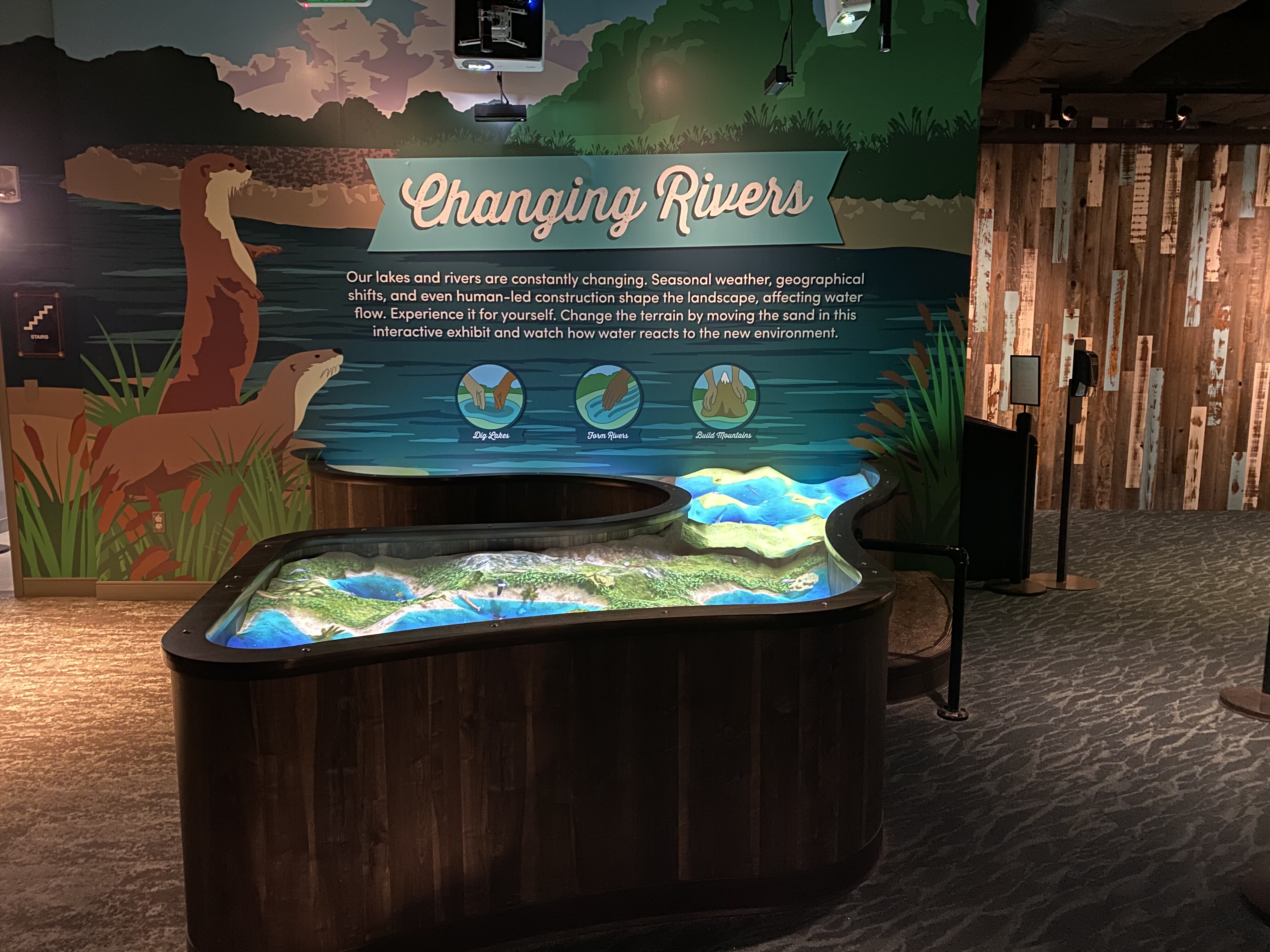
Beneficii educaționale cheie
✔ Înțelegerea topografiei
Copiii învață cum altitudinea influențează mișcarea apei.
✔ Explorarea fenomenelor naturale
Inundații, pâraie line, lacuri, delte — toate apar în timp real.
✔ Învățare cauză-efect
Fiecare modificare a nisipului oferă feedback vizual imediat.
✔ Colaborare și comunicare
Grupurile lucrează împreună pentru a construi și testa peisaje.
✔ Susține programele STEAM
Hidrologia combină geografia, fizica, ingineria și creativitatea.
Exemple de utilizare în muzee
🧪 Zonă de expoziție a ciclului apei
Vizitatorii creează ploi, râuri și lacuri pentru a vedea cum se formează peisajele.
🌍 Programe educaționale despre climă și mediu
Demonstrații despre eroziune, distribuția apei și intervenția umană.
🏗 Ateliere interactive de inginerie
Copiii proiectează baraje, canale și sisteme de protecție — și le testează rezistența.
🎓 Modul pentru excursii școlare
Profesorii folosesc Hidrologia pentru a consolida lecțiile de geografie și științe naturale.
🎡 Spații immersive de edutainment
Perfect pentru săli mari de expoziții unde familiile se joacă și învață împreună.
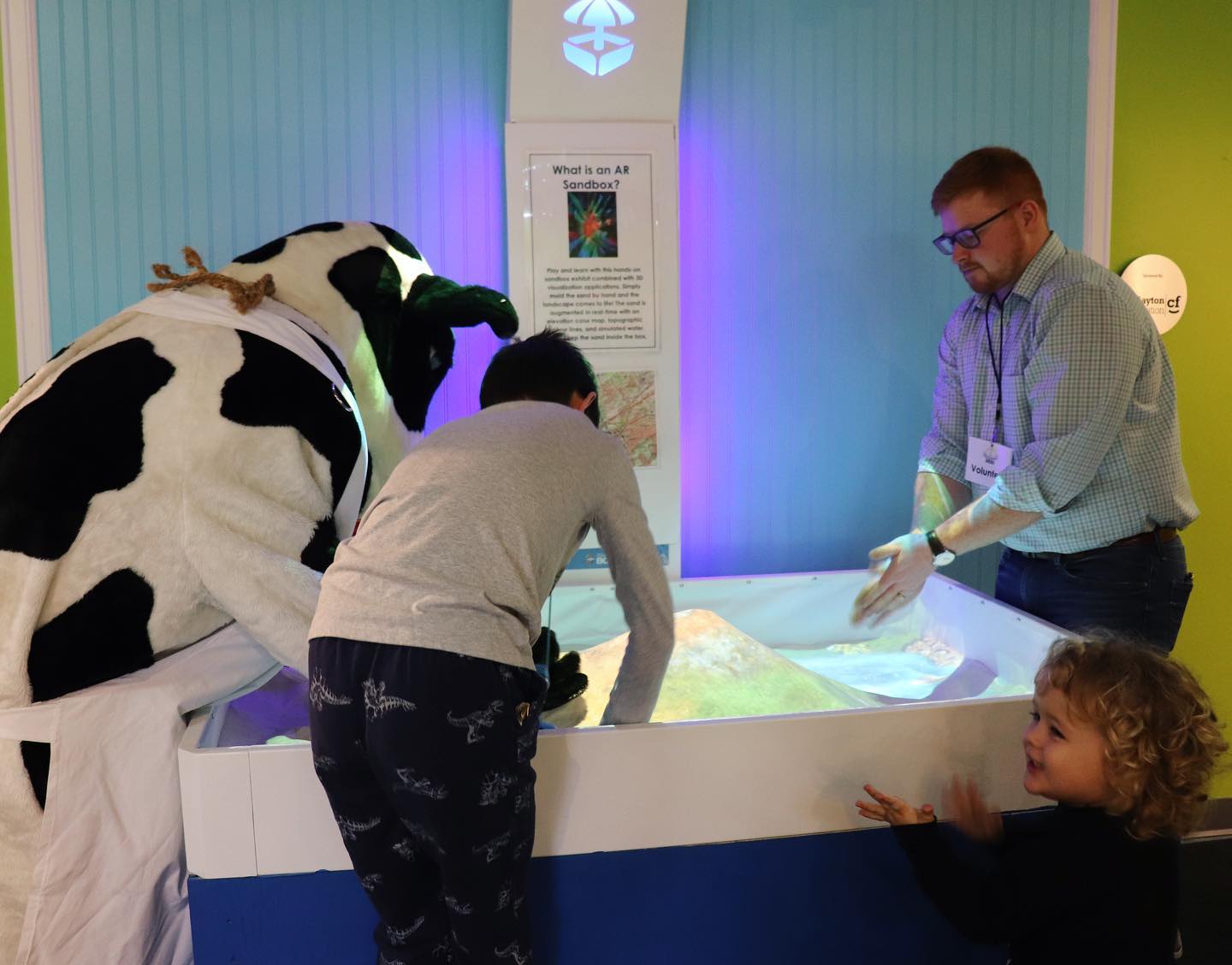
De ce aleg muzeele iSandBOX UTS
Design durabil, pentru trafic intens în spații publice
Calibrare instantanee și operare facilă pentru personal
Mai multe moduri de învățare dincolo de Hidrologie
Echipament sigur, igienic și cu întreținere redusă
Captivant pentru o gamă largă de vârste, crescând satisfacția vizitatorilor și numărul vizitelor repetate
iSandBOX este folosit în muzee, centre științifice, școli și parcuri de descoperire pentru copii din întreaga lume — iar Hidrologia rămâne unul dintre cele mai populare moduri pentru spațiile educaționale.
Urmărește Hidrologia în acțiune
Vezi cum curge apa prin peisajele create de mâinile copiilor:
Concluzie
Modul Hidrologie transformă nisiparul clasic într-un ecosistem miniatural viu care răspunde instantaneu la acțiunile copiilor. Pentru muzeele de știință și centrele educaționale, oferă:
un instrument puternic pentru învățarea practică STEM
un exponat interactiv care menține copiii implicați
o platformă flexibilă pentru ateliere și demonstrații
Este una dintre cele mai eficiente metode de a ajuta vizitatorii tineri să vadă, atingă și înțeleagă cum funcționează sistemele de apă ale planetei noastre.
Dorești să încerci Hidrologia în muzeul tău?
UTS oferă demonstrații personalizate și consultanță pentru muzee, centre științifice și spații educaționale.
Solicită o demonstrație pentru a descoperi cum iSandBOX poate îmbunătăți experiența vizitatorilor tăi.