


Perete. Potrivirea imaginilor în iSandBox UTS: O expoziție interactivă cognitivă pentru muzee și centre științifice pentru copii
15 ianuarie 2026
15 ianuarie 2026 la 18:41
Descoperă Wall. Picture Match în iSandBox UTS — un joc interactiv de potrivire pentru muzeele pentru copii și centrele de știință, care combină mișcarea, recunoașterea vizuală și jocul în grup.

Wall. Picture Match în iSandBox UTS: O expoziție interactivă cognitivă pentru muzee de copii și centre științifice
Muzeele pentru copii și centrele științifice includ adesea zone expoziționale axate pe dezvoltarea cognitivă, coordonare și recunoașterea tiparelor. Expozițiile interactive din aceste spații trebuie să fie ușor de înțeles, captivante pentru grupuri și eficiente fără explicații îndelungate.
Wall. Picture Match este un joc interactiv pentru platforma iSandBox dezvoltat de UTS. Este conceput ca o experiență rapidă și intuitivă de potrivire, care combină mișcarea fizică cu recunoașterea vizuală, fiind o alegere excelentă pentru muzee de copii, centre științifice și spații educaționale de descoperire.
Wall. Picture Match ca joc interactiv pregătit pentru muzeu
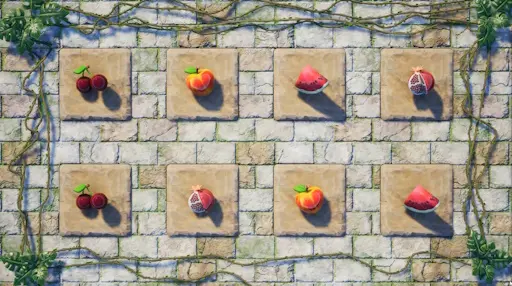
În Wall. Picture Match, suprafața nisiparului afișează un set de cărți cu imagini aranjate într-o grilă. Jucătorii aruncă mingi spre peretele sau suprafața nisiparului, având ca scop lovirea cărților cu imagini potrivite.
Mecanica jocului este imediat clară:
vezi o imagine → găsește potrivirea → lovește cartea corectă.
Această simplitate permite expoziției să funcționeze independent, fără a necesita supraveghere constantă din partea personalului muzeului.
Cum funcționează Wall. Picture Match
Interacțiunea urmează o structură clară și dinamică:
cărțile cu imagini apar pe suprafața nisiparului
jucătorii identifică imaginile potrivite
mingile sunt aruncate pentru a lovi cărțile corecte
loviturile reușite confirmă vizual potrivirea
jocul continuă cu combinații noi
Acțiunea fizică combinată cu feedback-ul vizual menține copiii implicați și activi pe tot parcursul experienței.
De ce Wall. Picture Match funcționează bine în muzee pentru copii și centre științifice
1. Combină mișcarea cu gândirea
Jocul leagă activitatea fizică de sarcinile cognitive, susținând atât dezvoltarea mentală, cât și cea motorie.
2. Ideal pentru jocuri de grup
Mai mulți copii pot participa simultan, fiind potrivit pentru grupuri școlare și tururi ghidate.
3. Ușor de înțeles instantaneu
Nu sunt necesare abilități de citire sau instrucțiuni — copiii învață regulile prin interacțiune.
4. Sesiuni scurte și repetabile
Fiecare rundă este rapidă, permițând unui număr mare de vizitatori să participe fără a crea cozi.
Valoare educațională și de dezvoltare
Wall. Picture Match susține obiective cheie de învățare și dezvoltare relevante pentru mediile muzeale:
recunoașterea vizuală și potrivirea tiparelor
coordonearea mână-ochi
viteza de reacție și concentrare
munca în echipă și alternarea pe rânduri
înțelegerea relației cauză-efect
Aceasta îl face deosebit de valoros pentru zonele de învățare timpurie și dezvoltare cognitivă.
Unde se potrivește cel mai bine Wall. Picture Match
Acest joc este folosit frecvent în:
muzee pentru copii și centre de descoperire
centre științifice cu zone de învățare cognitivă
spații educaționale interactive
expoziții bazate pe învățare activă și mișcare
medii muzeale orientate către familie
Wall. Picture Match poate funcționa ca o stație interactivă independentă sau ca parte a unei expoziții mai ample axate pe percepție și coordonare.
Susținerea învățării active prin joc
Jocurile interactive precum Wall. Picture Match ajută muzeele să îmbine învățarea cu implicarea fizică. Încurajând copiii să se miște, să țintească și să gândească simultan, muzeele creează experiențe memorabile, incluzive și eficiente pentru o gamă largă de vizitatori.
Pentru muzee de copii și centre științifice, acest tip de expoziție susține atât obiectivele educaționale, cât și indicatorii de implicare a vizitatorilor.
Concluzie
Wall. Picture Match în iSandBox UTS este un joc interactiv rapid și intuitiv, conceput pentru muzee de copii și centre științifice. Prin combinarea potrivirii vizuale cu interacțiunea fizică, susține dezvoltarea cognitivă, coordonarea și jocul în grup într-un format pregătit pentru muzeu. Jocul este ușor de integrat, simplu de utilizat și captivant pentru copii de diferite vârste.