


Modul Ciclul Apelor în iSandBOX: cea mai bună expoziție interactivă despre ciclul apelor, ideală pentru muzee pentru copii și centre științifice
9 noiembrie 2025
3 decembrie 2025 la 10:58
Descoperă modul Water Cycle în iSandBOX, sandbox-ul interactiv care oferă o simulare imersivă și practică a ciclului apei, ideal pentru muzee pentru copii și centre de știință. Învață despre evaporare, ploaie, râuri și ciclul hidrologic prin joacă. Perfect pentru educație STEM și expoziții de științe naturale.

Modul Ciclu Hidrologic în iSandBOX: Cel Mai Bun Expoziție Interactivă Despre Ciclu Hidrologic pentru Muzee pentru Copii și Centre Științifice
Muzeele pentru copii și centrele științifice caută tot mai mult expoziții interactive care transformă conceptele științifice complexe în experiențe de învățare captivante și practice. Unul dintre cele mai eficiente instrumente pentru acest scop este nisiparul interactiv iSandBOX, iar Modul Ciclu Hidrologic este una dintre cele mai populare funcții pentru muzeele axate pe științele pământului, procesele naturale și educația STEM.
Acest mod transformă un subiect științific clasic — ciclul natural al apei — într-o experiență dinamică și vizuală bogată. Copiii pot modela terenul, crea ploaie, urmări curgerea apei și observa evaporarea în timp real chiar în nisipar.
Dacă muzeul sau centrul dumneavoastră de descoperire caută o expoziție interactivă despre ciclul apei care să combine educația științifică cu joaca imersivă, Modul Ciclu Hidrologic este o completare ideală.
Ce Este Modul Ciclu Hidrologic? (Ciclu Hidrologic Interactiv pentru Copii)
Modul Ciclu Hidrologic din iSandBOX este o simulare în realitate augmentată a ciclului hidrologic, integrată într-un nisipar interactiv. Sistemul folosește senzori de adâncime și proiecție pentru a vizualiza modul în care apa se comportă în funcție de forma, înălțimea și gravitația terenului.
Copiii pot:
construi munți, râuri, văi și lacuri
crea ploaie prin gesturi cu mâna
observa evaporarea și formarea norilor
explora modul în care apa curge prin teren
vedea desfășurarea unui ciclu hidrologic complet în timp real
Acesta este unul dintre cele mai eficiente instrumente pentru a explica cum funcționează ciclul apei într-un cadru muzeal.
De Ce Modul Ciclu Hidrologic Este Perfect pentru Muzee pentru Copii și Centre Științifice
1. Valoare educațională ridicată: modelare științifică reală
Acest mod demonstrează etapele cheie ale ciclului apei:
precipitație → acumulare → evaporare → condensare → ploaie nouă.
Pentru copii, faptul că aceste procese răspund instantaneu la acțiunile lor creează o înțelegere profundă. Este deosebit de eficient pentru:
galerii de științe naturale
zone de educație de mediu
expoziții de științele pământului
spații de învățare STEM
2. O expoziție complet interactivă cu apă
Spre deosebire de modelele statice, nisiparul este practic și tactil. Copiii ating nisipul, modelează terenul și declanșează fenomene meteorologice. Acest lucru face expoziția foarte memorabilă și ideală pentru învățarea bazată pe explorare.
3. Susține învățarea STEM și alinierea la NGSS
Modul Ciclu Hidrologic ajută educatorii și muzeele să predea:
hidrologie
geografie
știința climei
sisteme de mediu
topografie și forme de relief
Modul se integrează natural în programe STEM, excursii școlare și ateliere de descoperire.
4. Crește implicarea vizitatorilor și frecvența vizitelor
Expozițiile interactive cresc semnificativ timpul petrecut de fiecare vizitator. Modul Ciclu Hidrologic devine un „punct de atracție” în muzeu — copiii se adună în jurul lui, experimentează împreună și deseori îi încurajează pe părinți să participe.
Muzeele raportează:
implicare mai îndelungată a vizitatorilor
mai multă interacțiune în familie
vizite repetate din partea copiilor care vor să „încerce din nou”
vizibilitate crescută pe rețelele sociale datorită imaginilor fotogenice
5. Sigur, intuitiv și potrivit pentru toate vârstele
Modul Ciclu Hidrologic nu necesită supraveghere specială. Interfața este naturală, vizuală și ușor de folosit chiar și pentru copiii mici.
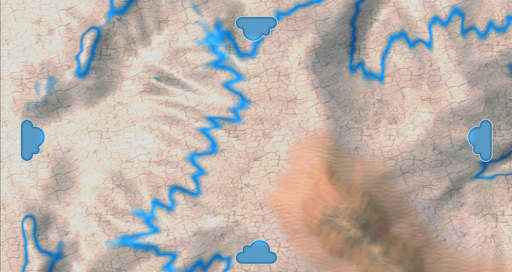
Cum Funcționează Simularea Ciclu Hidrologic (Pas cu Pas)
1. Construirea peisajului
Copiii modelează nisipul pentru a crea dealuri, bazine, cursuri de râuri și munți.
Sistemul actualizează instantaneu terenul digital.
2. Crearea ploii
Prin gesturi simple cu mâna, copiii „cheamă ploaia”.
Imaginile interactive arată formarea norilor și căderea apei.
3. Observarea mișcării apei
Apa curge realist peste peisaj:
pe pante
în albiile râurilor
în lacuri și rezervoare
Gravitația și terenul definesc fiecare rezultat.
4. Evaporare și condensare
Când apa se evaporă, apar norii. Odată ce sistemul detectează niveluri scăzute de apă, ciclul reîncepe natural.
Astfel se creează un model complet interactiv al ciclului hidrologic.
Idei pentru Programe Educaționale Folosind Modul Ciclu Hidrologic
Muzeele pot transforma cu ușurință acest mod în lecții tematice sau demonstrații:
„Construiește un Sistem Hidric”
Copiii proiectează râuri, lacuri și rezervoare, învățând cum terenul influențează curgerea apei.
„De la Ploaie la Râu”
O demonstrație ghidată care arată cum ploaia modelează peisajele.
„De Ce Este Importantă Apa”
Un atelier despre evaporare, condensare și rolul apei în ecosisteme.
„Experimentul Vremii Extreme”
Copiii construiesc terenuri diferite și testează cum ploaia abundentă schimbă mediul.
Aceste programe funcționează bine atât pentru grupuri, cât și pentru explorare liberă.

De Ce Modul Ciclu Hidrologic iSandBOX Se Evidențiază Printre Expozițiile Interactive din Muzee
Imagini în realitate augmentată care fac experiența impresionantă și memorabilă
Combină joaca și știința — esențial pentru învățarea copiilor
Funcționează ca piesă centrală pentru galeriile de științele pământului
Încurajează explorarea colaborativă
Se potrivește atât muzeelor mari, cât și centrelor mai mici de descoperire
Crează un „moment de împărtășit”, sporind promovarea organică
Pentru multe instituții, Modul Ciclu Hidrologic devine una dintre cele mai vizitate și fotografiate expoziții.
Concluzie
Dacă muzeul pentru copii sau centrul științific caută o modalitate puternică și imersivă de a preda științele naturii, Modul Ciclu Hidrologic în iSandBOX este unul dintre cele mai bune instrumente interactive disponibile. Combină realitatea augmentată, joaca tactilă și acuratețea științifică — transformând ciclul hidrologic într-o experiență de învățare de neuitat.
Nu doar educă, ci și implică profund vizitatorii, fiind ideal pentru expoziții permanente, zone STEM și programe de educație de mediu.